
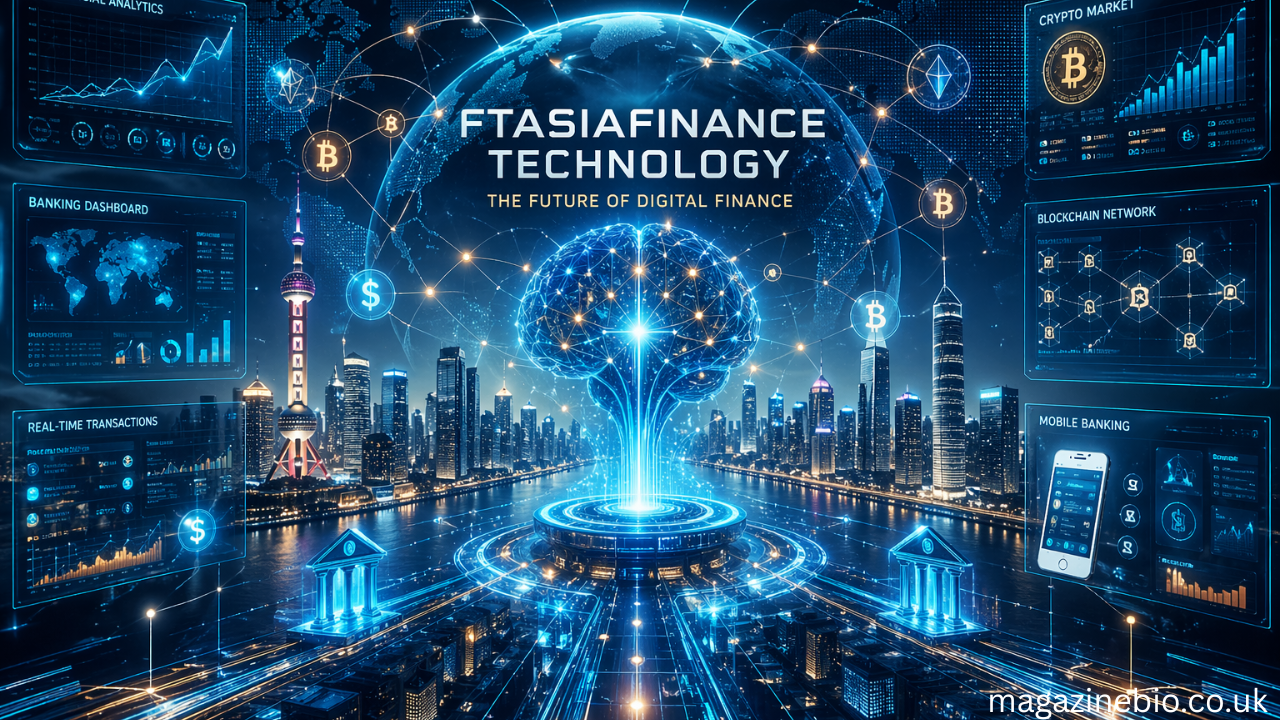
The financial world is changing faster than ever, and much of that transformation is happening across Asia. At the center of this shift is ftasiafinance technology, a term that reflects the growing connection between finance and advanced digital systems in the region. From mobile payments to AI-driven banking, the way people manage money is evolving in real time.
What makes this transformation truly powerful is accessibility. Today, even small businesses and individuals in developing areas can access financial services through smartphones. That’s not just convenience it’s a complete shift in how economies function.
In this guide, you’ll learn what ftasiafinance technology really means, how it works, and why it’s becoming one of the most important forces in modern finance.
What is Ftasiafinance Technology?
At its core, ftasiafinance technology refers to the integration of financial services with modern digital technologies across Asian markets. It combines tools like artificial intelligence, blockchain, big data, and cloud computing to improve how financial systems operate.
Think of it as a smarter, faster, and more inclusive version of traditional finance.
Instead of relying on physical banks and paperwork, this system enables:
- Instant transactions
- Smart financial analysis
- Secure digital payments
- Automated financial services
For example, digital wallets in countries like China and India allow millions of users to pay bills, transfer money, and even invest all from a single app.
This isn’t just innovation for the sake of technology. It’s about solving real-world financial problems.
How It Works (Simple Explanation)
To understand how ftasiafinance technology works, imagine a digital ecosystem where multiple technologies interact seamlessly.
Here’s a simple breakdown:
1. Data Collection
Every transaction, user action, or financial activity generates data.
2. Smart Processing
AI in finance analyzes this data to detect patterns, predict risks, and personalize services.
3. Secure Storage
Blockchain in finance ensures that transactions are recorded securely and transparently.
4. User Interface
Mobile apps and online banking systems allow users to interact easily with these services.
5. Automation
Processes like loan approvals or fraud detection happen automatically without human delay.
In short, it removes inefficiencies and replaces them with intelligent systems.
Key Features & Benefits
One reason ftasiafinance technology is gaining attention is because of the real value it delivers.
1. Speed and Efficiency
Transactions that once took days now happen in seconds.
2. Financial Inclusion
People without access to traditional banks can now use digital finance platforms.
3. Cost Reduction
Automation reduces operational costs, making services cheaper for users.
4. Enhanced Security
With encryption and blockchain systems, financial data is more secure than ever.
5. Personalization
AI can recommend financial products based on user behavior.
6. 24/7 Accessibility
Users can access services anytime, anywhere.
These benefits are not theoretical they are already being experienced by millions across Asia.
Role in Modern Financial Systems
Today’s financial systems are no longer limited to banks and institutions. They are digital ecosystems.
ftasiafinance technology plays a key role by:
- Connecting traditional banks with fintech startups
- Enabling real-time global transactions
- Supporting online banking systems with advanced infrastructure
- Improving regulatory compliance through automated reporting
For instance, many banks now partner with fintech companies to deliver faster and more user-friendly services.
This collaboration is shaping the future of finance.
Latest Trends in Ftasiafinance Technology
The rapid growth of ftasiafinance technology is driven by several emerging trends.
1. AI-Powered Financial Services
AI is being used for fraud detection, credit scoring, and customer support.
2. Blockchain Adoption
More institutions are exploring blockchain in finance for secure and transparent transactions.
3. Mobile-First Banking
In Asia, most users access financial services via smartphones.
4. Digital Lending Platforms
Loans are now approved within minutes using automated systems.
5. Embedded Finance
Financial services are being integrated into non-financial apps like e-commerce platforms.
6. Rise of Fintech Startups
New companies are constantly innovating and challenging traditional systems.
These trends show that the industry is not slowing down it’s accelerating.
Real-World Applications / Examples
Let’s look at how ftasiafinance technology is used in everyday life.
1. Digital Payments
Apps allow instant money transfers without needing a bank visit.
2. Investment Platforms
Users can invest in stocks or crypto with just a few clicks.
3. Insurance Technology
Policies are issued and managed digitally.
4. Cross-Border Transactions
Sending money internationally has become faster and cheaper.
5. Smart Budgeting Tools
Apps analyze spending habits and help users save money.
These applications highlight how deeply technology is integrated into financial life.
Advantages and Challenges
Like any major innovation, ftasiafinance technology comes with both benefits and challenges.
Advantages
- Faster services
- Greater accessibility
- Improved user experience
- Lower costs
- Increased transparency
Challenges
- Cybersecurity risks
- Regulatory uncertainty
- Data privacy concerns
- Technology adoption barriers in rural areas
Understanding both sides helps users and businesses make informed decisions.
Future of Financial Technology in Asia
The future of ftasiafinance technology looks incredibly promising.
Asia is already leading in digital finance adoption, and this trend is expected to grow further. Governments are investing in digital infrastructure, while companies continue to innovate.
In the coming years, we can expect:
- Smarter AI-driven financial tools
- Wider adoption of blockchain systems
- More inclusive financial services
- Seamless integration of finance into daily life
The gap between traditional and digital finance will continue to shrink until it almost disappears.
Expert Insights / Practical Tips
If you’re looking to benefit from ftasiafinance technology, here are some practical tips:
1. Choose Trusted Platforms
Always use well-reviewed financial apps and services.
2. Stay Updated
Follow financial technology trends to understand new opportunities.
3. Protect Your Data
Use strong passwords and enable security features.
4. Start Small
If you’re new, begin with small transactions or investments.
5. Learn Continuously
The more you understand digital finance, the better decisions you’ll make.
These small steps can make a big difference in your financial journey.
Conclusion
The rise of ftasiafinance technology is not just a trend it’s a transformation that is redefining how people interact with money. From faster transactions to smarter financial tools, the impact is both deep and widespread.
What makes it truly powerful is its ability to include more people in the financial system while improving efficiency for everyone. As technology continues to evolve, the possibilities will only expand.
If you’re paying attention now, you’re already ahead of the curve.
FAQs
What does ftasiafinance technology mean?
It refers to the use of advanced digital technologies in financial services, especially within Asian markets.
How is it different from traditional banking?
It focuses on speed, automation, and digital access rather than physical branches and manual processes.
Is ftasiafinance technology safe?
Yes, most platforms use advanced security systems, but users should still follow basic safety practices.
Who can benefit from it?
Individuals, businesses, startups, and even governments can benefit from improved financial systems.
What is the future of ftasiafinance technology?
It is expected to grow rapidly, with more innovation in AI, blockchain, and digital finance solutions.
